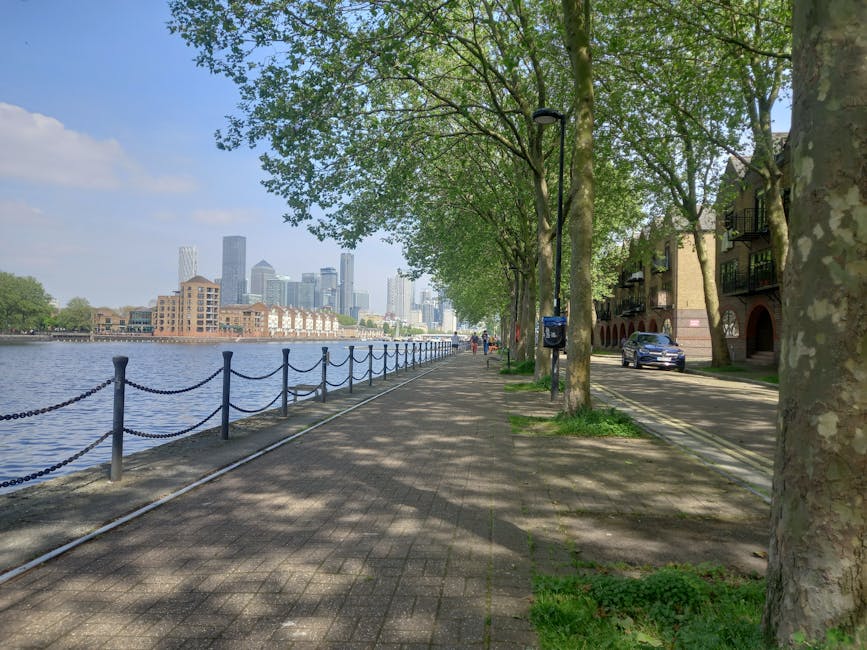
Canary Wharf Bulky Rubbish Clearance Near the Docks East London
If you are looking for Canary Wharf bulky rubbish clearance near the docks East London, chances are you need something gone quickly, safely, and without turning your day into a logistics problem. Maybe it is a broken wardrobe in a flat, office furniture from a tenancy changeover, or a pile of mixed junk that has been sitting near a loading bay longer than it should. Around Canary Wharf, the details matter: access routes, lift bookings, dockside traffic, managed buildings, and the simple fact that bulky waste can get in the way fast.
This guide explains what bulky rubbish clearance actually involves, how the process works near the docks, what to expect from a good service, and how to avoid the usual headaches. It is written for real-life situations, not theory. And yes, we will keep it practical.
Why Canary Wharf bulky rubbish clearance near the docks East London Matters
Bulky rubbish is not the same as everyday household waste. A sofa, bed frame, desk, wardrobe, broken appliance, shelving unit, or builder's offcut can block a corridor, make a reception area look untidy, or simply become impossible to shift without help. In Canary Wharf, that matters more than people sometimes expect, because the area combines commercial buildings, apartments, managed estates, and dockside access points that are often tighter than they look on a map.
Near the docks, waste also tends to build up in awkward places: service yards, underground parking areas, bin stores, and loading bays. If bulky items are left too long, they can create fire safety issues, frustrate residents or staff, and complicate building management. Let's face it, nobody wants to spend a Monday morning trying to squeeze a dismantled wardrobe past a trolley of office deliveries.
There is also a presentation angle. Canary Wharf is a polished part of East London, and clutter stands out. A clean clearance keeps a flat ready for viewings, helps an office feel organised, and reduces the chance of complaints from neighbours or building managers. For businesses, that can be the difference between a smooth handover and a messy delay.
If your clearance job involves mixed waste or renovation leftovers, it may also overlap with builders waste clearance or broader waste removal needs. That is why the job is often better handled as a planned collection rather than a last-minute scramble.
How Canary Wharf bulky rubbish clearance near the docks East London Works
In simple terms, bulky rubbish clearance means a team collects large or awkward items from your property, building, or business space and transports them for responsible disposal or recycling. Around Canary Wharf and the docklands, the process usually starts with access planning. Where can the vehicle stop? Is there a service lift? Are there time restrictions? Can the team park close enough to avoid carrying items across half the estate?
Good clearances tend to be arranged around the building rather than forcing the building to fit the clearance. That means checking entry points, lift dimensions, stair access, and whether items need to be dismantled first. A sofa might come out in one piece. A wardrobe often will not. No drama, just reality.
Many customers use clearance services for a single bulky item, but the better value often comes from grouping items together. If you are clearing a flat, it can make sense to combine furniture disposal with a wider flat clearance. If the job is part of a relocation or tenant change, a more complete home clearance may be the smarter fit.
Some jobs are straightforward. Others involve mixed waste, old furniture, office chairs, white goods, or garage junk that has been sitting for years. In those cases, a flexible rubbish clearance or waste clearance service is usually more practical than hiring a skip, especially where access is restricted near the docks.
One useful detail: a reliable clearance team should separate what can be reused, recycled, or disposed of properly. That is not just a nice extra. It is how a lot of bulky waste is handled sensibly in London.
Key Benefits and Practical Advantages
The biggest benefit is obvious: the space gets cleared. But the real advantages go a bit further than that.
- Less disruption: a tidy, same-day or pre-booked clearance is usually easier than trying to move bulky items yourself.
- Better access: corridors, lifts, storage areas, and loading zones are freed up quickly.
- Cleaner presentation: useful for landlords, agents, office managers, and residents preparing for inspections or handovers.
- Reduced manual risk: heavy lifting is one of those things people underestimate until their back complains the next day.
- More efficient disposal: professional teams can route items into the right disposal stream rather than dumping everything together.
There is also a time benefit that people often overlook. Clearing bulky waste yourself can take an entire afternoon once you add planning, lifting, vehicle loading, and disposal. A booked collection compresses all of that into one managed visit. That matters near Canary Wharf, where schedules can be tight and buildings often run on appointment slots.
For commercial customers, the service can support ongoing operations too. An office refit, a retail refresh, or a back-of-house cleanout often runs smoother when bulky items are removed alongside office clearance or business waste handling. It keeps the site functional instead of turning it into a storage puzzle.
Who This Is For and When It Makes Sense
This kind of clearance is useful for a wide mix of people. Some are dealing with an end-of-tenancy flat. Some are office managers. Others are landlords, letting agents, facilities teams, or homeowners who have finally reached the point where the spare room cannot hold one more broken shelf.
It makes sense when the waste is:
- too large for normal bins
- awkward to carry through common areas
- stored in a basement, garage, loft, or service room
- part of a mixed job with furniture, packaging, or renovation debris
- needed to be removed quickly before an inspection, move, or handover
Near the docks, it is especially relevant for managed flats and mixed-use developments where access rules can be stricter than in a typical residential street. If the items are furniture-heavy, the job may overlap with furniture disposal or even a specific sofa removal. If the property is larger and already cluttered from top to bottom, a fuller house clearance can be more sensible.
In our experience, the moment people say, "It's only a few bits," the pile is already bigger than expected. Happens all the time.
Step-by-Step Guidance
If you want a smooth clearance, the trick is to prepare a little before the team arrives. Not a huge production, just a bit of common sense.
- List the bulky items. Write down what needs to go. Include approximate sizes where possible, especially for beds, wardrobes, desks, and appliances.
- Check access. Note lifts, stairs, loading bays, parking restrictions, concierge rules, and any timed entry requirements.
- Separate obvious reuse items. Keep anything you are definitely retaining away from the clearance pile.
- Identify any difficult items. Extremely heavy, sharp, or dismantling-required items should be flagged early.
- Match the service type. Choose between a single-item collection, full bulky waste clearance, or a broader rubbish removal job depending on volume and mix.
- Prepare the space. Clear a route to the items. Even moving a few boxes can save a surprising amount of time.
- Confirm timing. In busy dockside developments, a short, accurate arrival window is better than a vague "sometime in the morning."
- Walk through the job after collection. Check corners, cupboards, and under benches. People forget stuff. It is human nature.
If the waste includes garden cuttings from balconies, terraces, or shared outside spaces, it may be better treated as garden clearance. If you are dealing with units, bins, or leftover items from a renovation, broader waste collection can help keep the whole process simpler.
Expert Tips for Better Results
Here is the part that saves time and stress. A few small choices can make the whole job easier.
- Photograph the pile before booking. A few clear images help estimate access, item type, and volume more accurately.
- Keep the route open. Even a narrow service corridor becomes awkward if it is full of suitcases and storage boxes.
- Bundle related jobs together. For example, combine an old sofa, broken chair, and wardrobe so the team can clear everything in one visit.
- Tell the team about access quirks. Low ceilings, awkward turns, secure gates, or a shared concierge desk can change the plan completely.
- Ask about sorting on arrival. Good teams will usually separate reusable and recyclable items where practical.
Another tip: if you are clearing an office or commercial suite near Canary Wharf, avoid leaving the bulky waste until the final hour of the lease period. That is when lifts are busy, people are stressed, and everything feels twice as complicated as it should. A bit of lead time goes a long way.
For mixed commercial loads, services like waste disposal or waste removal can be a better fit than trying to split the job into lots of tiny parts.
Common Mistakes to Avoid
Most bulky clearance problems are avoidable. The same mistakes come up again and again, honestly.
- Underestimating volume: one bed frame becomes a bed frame, mattress, bedside table, and a few mystery boxes.
- Ignoring building rules: some sites require access booking or restrict certain vehicles and arrival times.
- Leaving items in the wrong place: putting bulky waste in a corridor or fire exit area can cause immediate issues.
- Mixing everything together: furniture, cartons, renovation waste, and garden debris may need different handling.
- Forgetting lift or parking constraints: this one causes delays more often than people think.
- Choosing the cheapest option blindly: low price is not much comfort if the job is slow, incomplete, or poorly handled.
A quieter mistake is not telling the team about special items. A filing cabinet, gym equipment, or a large corner sofa can be trickier than they look in a photo. Better to mention it upfront than pretend it is "just a few bits."
Tools, Resources and Recommendations
You do not need a lot of equipment for a professional-looking clearance, but a few things help.
- Tape measure: useful for checking whether a large item can fit through doors or into lifts.
- Basic checklist: stops items being missed during a flat or office clearance.
- Phone camera: the easiest way to document the pile and share access details.
- Gloves and sturdy shoes: simple, but worth having if you are moving items yourself before collection.
- Labels or notes: helpful when there are keep, donate, and remove piles in the same room.
On the service side, useful pages to understand related jobs include rubbish collection, flat clearance, and furniture disposal. If the load comes from a garage, storage unit, or basement, a dedicated garage clearance can be surprisingly useful because those spaces tend to hide more than you remember.
And if you are unsure whether your items count as bulky waste, the safest approach is simple: describe the load honestly and get it reviewed before collection day. Saves a lot of back-and-forth.
Law, Compliance, Standards, or Best Practice
For bulky rubbish clearance in East London, the main thing to keep in mind is responsible handling. In practical terms, that means waste should be collected, transported, and disposed of in a way that avoids fly-tipping, unsafe dumping, and unnecessary contamination.
UK waste handling is a regulated area, so it is worth being careful about who removes your waste and how it is managed. A reputable service should know the difference between general household waste, furniture, commercial rubbish, and items that need special treatment. You do not need to become a legal expert, thankfully. You just need to avoid handing waste to anyone who seems vague about where it is going.
Best practice is straightforward:
- keep clear records of what is being removed if you are a landlord or business
- avoid leaving waste in communal areas longer than necessary
- separate hazardous or specialist items from ordinary bulky waste
- make access and item details clear before collection
For commercial premises, especially near the docks, building management rules may be just as important as legal obligations. Some properties have strict loading windows, waste storage rules, and collection procedures. A good clearance plan should respect all of that rather than improvising at the gate.
If your project sits within the wider East London area, it can also help to understand the local service coverage across places like Docklands and East London, especially where mixed-use buildings and dockside access are involved.
Options, Methods, or Comparison Table
There are a few ways to deal with bulky rubbish around Canary Wharf. The best choice depends on quantity, access, time pressure, and the type of items involved.
| Method | Best for | Pros | Limitations |
|---|---|---|---|
| Single-item collection | One sofa, mattress, desk, or appliance | Simple, fast, often cheapest for one item | Less efficient for multiple bulky items |
| Bulky rubbish clearance | Several large items in one property or office | Flexible, efficient, suited to mixed loads | Needs clear access and item detail |
| Full room or property clearance | End of tenancy, move, probate, or office reset | Most comprehensive, saves time | More planning required |
| Skip hire-style approach | Projects with ongoing waste generation | Useful for repeat filling over time | Less practical where access is tight near the docks |
For many Canary Wharf customers, the most balanced option is a clearance visit that combines bulky items with general rubbish. That keeps the job efficient and avoids multiple pickups. If the items are mostly seating, consider sofa removal; if it is more of a broad tidy-up, rubbish clearance is usually the cleaner fit.
Case Study or Real-World Example
A common situation near the docks goes like this. A one-bedroom flat in Canary Wharf is being prepared for a move. The tenant has a bed frame, a sagging mattress, a dining chair, two storage units, and a boxed-up pile from under the bed that nobody wants to sort through one by one. The building has a concierge desk, a service lift, and a time slot for removals.
Rather than handling each item separately, the resident groups the items together and clears a route the evening before. The team arrives, confirms the lift access, removes the bulky pieces in one visit, and checks the corners for smaller forgotten items. The flat is left ready for cleaning and handover. No drama, no endless back-and-forth.
That type of job is a good example of why local access knowledge matters. A clearance team that understands managed buildings, loading bays, and dockside timing can usually work faster and with less disturbance. Tiny detail, big difference.
For bigger domestic changes, the same approach can scale up into a house clearance or a more general home clearance if the property has accumulated a lot over time.
Practical Checklist
Use this before the collection day so nothing obvious gets missed.
- List every bulky item that needs removing
- Measure anything unusually large or awkward
- Check lift, stair, and corridor access
- Confirm parking or loading restrictions
- Separate keep, donate, and remove piles
- Take clear photos of the waste area
- Flag anything very heavy, fragile, or dismantling-required
- Make sure communal routes are open
- Tell building management if required
- Walk through the space after collection
One small but useful habit: keep a bin bag or box for the "last minute" items. There are always a few. Cable ties, old chargers, spare hangers, a weird drawer handle you forgot about. The usual suspects.
Get a free quote today and see how much you can save.
Conclusion
Canary Wharf bulky rubbish clearance near the docks East London is really about making a complicated job feel straightforward. The best results come from planning access properly, choosing the right type of clearance, and being clear about what needs to go. That saves time, reduces stress, and keeps flats, offices, and shared spaces looking how they should.
If you are dealing with bulky waste near Canary Wharf, the smartest move is usually to treat it as a managed collection rather than a heavy-lifting puzzle. You will notice the difference immediately: less clutter, less friction, and a space that feels usable again. And honestly, that is a relief.
When the clutter is gone, the room breathes a bit better. That quiet feeling is hard to beat.
Frequently Asked Questions
What counts as bulky rubbish in Canary Wharf?
Bulky rubbish usually means items too large or awkward for normal bins, such as sofas, beds, wardrobes, desks, chairs, shelving, and similar household or office items.
Is bulky rubbish clearance different from regular rubbish removal?
Yes. Bulky clearance focuses on large items that need more manual handling, while regular rubbish removal can cover mixed waste, smaller junk, and general clear-outs.
Can you clear bulky waste from flats and managed buildings near the docks?
Yes, provided access details are clear. Managed buildings often have lift bookings, concierge rules, or loading restrictions, so those need to be planned in advance.
Do I need to dismantle furniture before collection?
Not always, but dismantling can make clearance faster and safer. Large wardrobes, beds, or modular furniture often move more easily when taken apart.
What happens to the items after collection?
They are usually sorted for reuse, recycling, or responsible disposal depending on the type and condition of the items. Good practice is to avoid mixing everything into one pile if it can be helped.
How quickly can bulky rubbish be removed near Canary Wharf?
That depends on availability, access, and the size of the job. Small collections may be handled quickly, while larger or access-heavy jobs need more planning.
Is bulky rubbish clearance suitable for offices?
Yes. Office chairs, desks, filing units, partition materials, and general office furniture are common reasons businesses arrange clearance near Canary Wharf.
What if my waste includes both furniture and renovation debris?
That is common. Mixed loads can usually be handled together, but it helps to describe them accurately so the right vehicle and handling plan can be used.
Is it better to book one-off items or a full clearance?
If you only have one item, a single collection may be enough. If you have several bulky pieces or a larger cluttered space, a full clearance is usually better value and easier overall.
What should I prepare before the team arrives?
Clear access routes, separate the items to be removed, note any building restrictions, and share photos if possible. That makes the job smoother and avoids surprises.
Can bulky rubbish clearance help before a move-out inspection?
Yes, very much so. It is one of the best ways to make sure the property is presentable, accessible, and ready for cleaning or handover.
How do I choose the right clearance service?
Look for a service that is clear about access, item types, and disposal handling. The right choice is the one that fits the actual job, not just the headline price.