Effective Management of Builders Waste in East London
Introduction to Builders Waste in East London

Builders waste refers to the materials discarded during construction, renovation, and demolition projects. In East London, the rapid development and urbanization have significantly increased the volume of builders waste generated. Proper management of this waste is crucial not only for environmental sustainability but also for regulatory compliance and community well-being.
East London, known for its vibrant construction industry, faces unique challenges in managing builders waste. The dense population and limited space require efficient waste disposal solutions to prevent environmental degradation and maintain public health standards.
Understanding the types and sources of builders waste is the first step towards effective management. This knowledge helps in developing strategies that minimize waste generation, promote recycling, and ensure safe disposal.
Types of Builders Waste
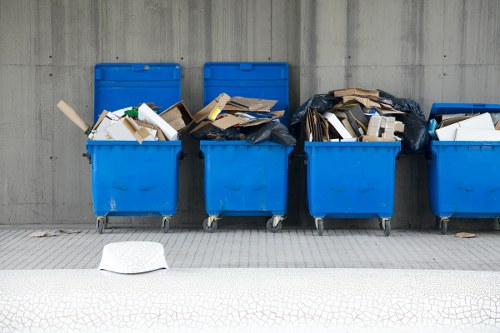
Builders waste encompasses a wide range of materials, each requiring specific handling and disposal methods. The primary types include:
- Concrete and Masonry: Excess concrete, bricks, and other masonry materials.
- Wood: Untreated lumber, plywood, and other wood scraps.
- Metals: Steel, aluminum, and other metal scraps.
- Plastics: PVC pipes, plastic fittings, and packaging materials.
- Glass: Windows, glass panels, and other glass products.
- Insulation Materials: Foam, fiberglass, and other insulation products.
Each type of waste poses different challenges. For instance, concrete and masonry are heavy and require specialized equipment for transport, while metals and plastics can often be recycled, reducing the overall environmental impact.
Proper segregation of waste at the source is essential. It not only facilitates efficient recycling but also reduces the volume of waste destined for landfills.
Importance of Proper Waste Management
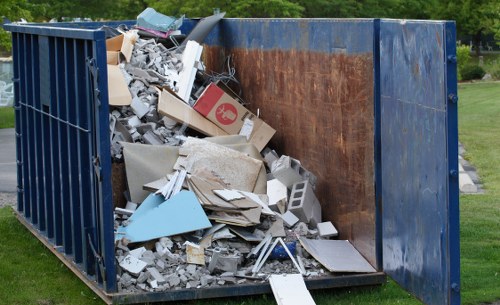
Effective builders waste management is critical for several reasons:
- Environmental Protection: Prevents pollution and conserves natural resources.
- Regulatory Compliance: Adheres to local laws and regulations, avoiding fines and penalties.
- Cost Efficiency: Reduces disposal costs through recycling and waste minimization.
- Health and Safety: Minimizes hazards associated with improper waste handling.
- Reputation Management: Enhances the reputation of construction firms committed to sustainability.
In East London, where construction activities are booming, the strain on waste management systems can be substantial. Implementing effective waste management practices ensures that the growth does not come at the expense of environmental and public health.
Moreover, sustainable waste management can lead to financial savings. Recycling materials like metal and wood can offset disposal costs and even generate additional revenue streams.
Recycling and Disposal Options

East London offers various recycling and disposal options for builders waste, ensuring that materials are handled responsibly:
- Recycling Centers: Facilities that process and recycle materials such as metals, plastics, and wood.
- Landfill Sites: Designated areas for the disposal of non-recyclable waste.
- Waste Transfer Stations: Intermediate points where waste is sorted and prepared for recycling or disposal.
- Specialized Disposal Services: Companies offering tailored solutions for hazardous or bulky waste.
Choosing the right disposal method depends on the type of waste and local regulations. For example, hazardous materials like certain chemicals require specialized handling and disposal methods to prevent environmental contamination.
Recycling not only reduces the burden on landfills but also supports the local economy by providing raw materials for other industries. It’s a win-win situation that promotes sustainability while offering economic benefits.
Legal Regulations and Compliance

Compliance with legal regulations is a non-negotiable aspect of builders waste management. In East London, several laws and guidelines govern the disposal and recycling of construction waste:
- Environmental Protection Act: Governs the general management of waste to protect the environment.
- Hazardous Waste Regulations: Specifies the handling and disposal of dangerous materials.
- Building Regulations: Incorporate waste management requirements into construction practices.
- Local Council Guidelines: Provide specific rules and facilities for waste disposal in different boroughs.
Non-compliance can result in hefty fines, legal action, and damage to a company’s reputation. Therefore, it’s imperative for construction firms to stay informed about current regulations and implement practices that meet or exceed these standards.
Adhering to regulations also ensures that the community’s health and safety are not compromised, fostering a positive relationship between construction companies and local residents.
Choosing a Builders Waste Removal Service
Factors to Consider
Selecting the right waste removal service is crucial for effective builders waste management:
- Licensing and Certification: Ensure the company is authorized to handle and dispose of construction waste.
- Recycling Capabilities: Prefer services that emphasize recycling and sustainability.
- Experience and Reputation: Look for established companies with positive reviews and a track record of reliability.
- Cost-Effectiveness: Compare pricing structures to find a service that offers value without compromising quality.
- Comprehensive Services: Opt for companies that provide a full range of services, from collection to disposal and recycling.
In East London, numerous waste removal services cater to the construction industry. It's essential to assess each option carefully to ensure that the chosen service aligns with your project’s needs and sustainability goals.
Additionally, partnering with a reputable waste removal service can lead to smoother project execution, as they handle the complexities of waste management, allowing construction teams to focus on their core activities.
Benefits of Professional Waste Removal
Engaging professional waste removal services offers numerous advantages:
- Efficiency: Streamlined processes ensure timely collection and disposal.
- Safety: Professional handling minimizes the risk of accidents and injuries.
- Compliance: Ensures that all waste management activities meet legal requirements.
- Cost Savings: Reduces overall expenses through optimized waste handling and recycling.
- Environmental Responsibility: Promotes sustainable practices that benefit the community and planet.
In East London’s competitive construction market, leveraging professional waste removal can provide a significant edge. It not only enhances operational efficiency but also demonstrates a commitment to environmental stewardship.
Moreover, professional services often offer customized solutions tailored to specific project needs, ensuring that waste is managed effectively regardless of project scale or complexity.
DIY Waste Management Tips
Strategies for Minimizing Builders Waste
While professional services are beneficial, there are several DIY strategies that construction teams can implement to reduce builders waste:
- Accurate Planning: Careful project planning can minimize excess materials and reduce waste.
- Material Reuse: Identify opportunities to reuse materials within the project or for future projects.
- On-site Segregation: Separate waste types at the source to facilitate easier recycling and disposal.
- Proper Storage: Store materials correctly to prevent damage and reduce the likelihood of waste.
- Employee Training: Educate workers on best practices for waste reduction and management.
Implementing these tips can lead to substantial waste reduction, cost savings, and a more sustainable construction process. It fosters a culture of responsibility and environmental awareness among the workforce.
In East London, where space and resources are limited, such proactive measures are especially valuable. They contribute to more efficient projects and a healthier urban environment.
Environmental Impact of Builders Waste
Builders waste has significant environmental implications:
- Landfill Pressure: Increased waste contributes to the overuse of landfills, leading to land degradation and potential groundwater contamination.
- Resource Depletion: Discarded materials represent a loss of valuable resources that could have been recycled or reused.
- Carbon Footprint: The production and disposal of construction materials contribute to greenhouse gas emissions.
- Biodiversity Loss: Improper waste disposal can harm local ecosystems and wildlife.
Addressing these impacts requires a multifaceted approach involving waste reduction, recycling, and sustainable disposal practices. East London’s efforts in improving waste management can set a benchmark for other regions facing similar challenges.
By minimizing builders waste, the construction industry can play a pivotal role in combating climate change and preserving natural habitats, ensuring a sustainable future.
Future Trends in Builders Waste Management
Innovations and Sustainable Practices
The field of builders waste management is evolving, with several emerging trends promising greater efficiency and sustainability:
- Advanced Recycling Technologies: Innovations in recycling processes enable the recovery of more materials with higher quality.
- Digital Waste Tracking: Utilizing technology to monitor waste generation and disposal ensures better management and compliance.
- Circular Economy Models: Emphasizing the reuse and repurposing of materials to create a closed-loop system.
- Green Building Certifications: Standards like BREEAM and LEED encourage sustainable waste management practices.
- Collaborative Platforms: Online networks that connect construction projects with recycling facilities and waste management services.
East London is at the forefront of adopting these trends, integrating cutting-edge solutions to tackle the challenges of builders waste. Embracing these innovations not only enhances environmental outcomes but also drives economic growth by creating new opportunities in the green sector.
The future of builders waste management lies in continuous improvement and adaptation. By staying informed and proactive, the construction industry can achieve greater sustainability and resilience.
Conclusion
Managing builders waste in East London is a complex but essential task. It requires a combination of effective waste segregation, recycling, compliance with regulations, and the use of professional waste removal services. By adopting sustainable practices and leveraging innovative solutions, the construction industry can significantly reduce its environmental impact.
As East London continues to develop, prioritizing builders waste management will ensure that growth is sustainable and beneficial for both the economy and the environment. Construction firms, waste management services, and the community must collaborate to achieve a greener, cleaner, and more prosperous East London.
Contact us today to learn more about effective builders waste management solutions tailored to your project’s needs.
Frequently Asked Questions
- Comprehensive Guide to Stratford's Waste Management
- Comprehensive Waste Management at Custom House
- Effective Waste Management Solutions in Bromley
- Comprehensive Guide to Waste Management in Canning Town
- Effective Waste Management Solutions in Manor Park
- Comprehensive Guide to Waste Disposal in Poplar
- Comprehensive Waste Management Solutions in Bethnal Green
