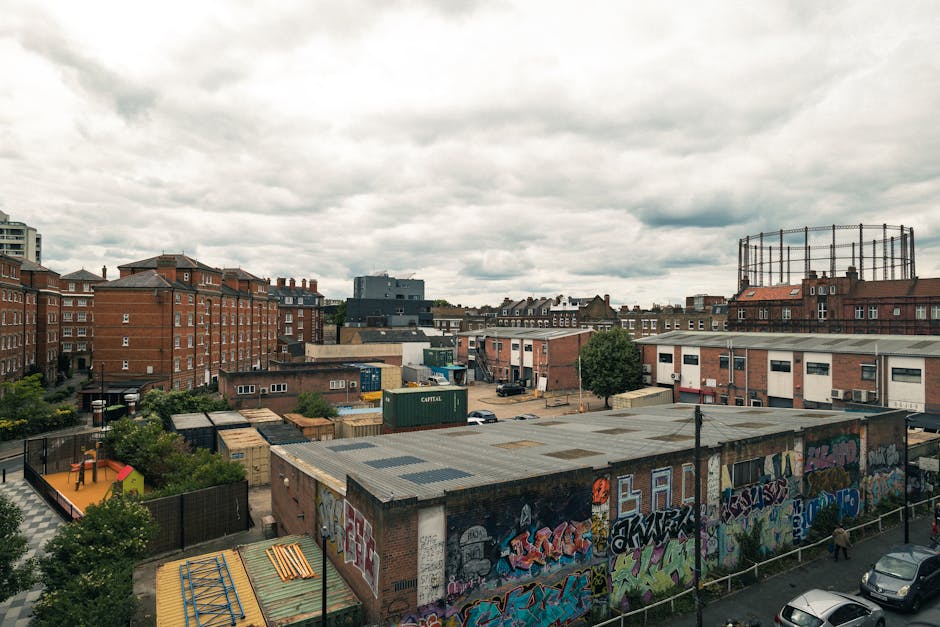
Hackney Wick rubbish pick up and disposal tips East London
If you live or work in Hackney Wick, you probably know the feeling: a pile of black bags by the door, broken furniture in the corner, or builders' debris taking over a narrow walkway. The good news is that Hackney Wick rubbish pick up and disposal tips East London can make the whole job easier, cleaner, and far less stressful. Whether you are clearing a flat, managing office waste, or just trying to get rid of one awkward sofa that has seen better days, a bit of planning goes a long way.
This guide breaks down how rubbish pick up and disposal works in practical terms, what to do before the collection arrives, how to avoid common mistakes, and how to choose the right method for your waste. Let's face it, rubbish removal sounds simple until you are standing there with a leaking bin bag and no clue where the mattress should go. That is exactly where good advice helps.
For readers comparing local services across East London, it can also help to look at broader options such as rubbish collection, rubbish removal, and waste disposal so you can match the service to the type of waste you actually have.
Table of Contents
- Why Hackney Wick rubbish pick up and disposal tips East London Matters
- How Hackney Wick rubbish pick up and disposal tips East London Works
- Key Benefits and Practical Advantages
- Who This Is For and When It Makes Sense
- Step-by-Step Guidance
- Expert Tips for Better Results
- Common Mistakes to Avoid
- Tools, Resources and Recommendations
- Law, Compliance, Standards, or Best Practice
- Options, Methods, or Comparison Table
- Case Study or Real-World Example
- Practical Checklist
- Conclusion
- Frequently Asked Questions
Why Hackney Wick rubbish pick up and disposal tips East London Matters
Hackney Wick is a busy, lived-in part of East London, and that matters more than people think when waste needs moving. Streets can be tight. Parking can be awkward. Access through flats, yards, stairwells, and shared entrances is often not generous. If you just leave waste out and hope for the best, it tends to become a nuisance fast.
Good rubbish pick up is not only about tidiness. It helps reduce smell, pests, trip hazards, blocked access, and friction with neighbours or landlords. A pile of waste outside a building can go from "I'll sort that tomorrow" to "why is this still here?" in no time. And in a place where people are going in and out with bikes, prams, deliveries, and tools, clutter gets noticed.
There is also a practical cost to getting it wrong. Mixing waste streams, waiting too long to book a collection, or underestimating volume can mean extra trips, wasted time, and a mess that becomes harder to shift. To be fair, most problems are avoidable with a little prep.
One more thing: East London properties vary a lot. A top-floor flat in Hackney Wick is a very different job from a ground-floor shop clear-out near a busy road. That is why local rubbish pick up and disposal tips need to be specific, not generic.
Expert summary: The easiest waste jobs are the ones prepared properly. Sort the rubbish early, know what can and cannot be collected, and choose a disposal method that fits your access, timings, and load size. That simple approach saves hassle every time.
How Hackney Wick rubbish pick up and disposal tips East London Works
In practice, rubbish pick up usually follows a simple pattern: assess the waste, decide what needs removing, arrange the collection, prepare access, and make sure the items are ready to lift safely. The detail, of course, is where the difference lies.
Most domestic or light commercial collections in Hackney Wick fall into one of these groups:
- Bagged household rubbish such as general waste, unwanted clothes, mixed household clutter, and kitchen bag waste.
- Bulky items like sofas, wardrobes, beds, tables, and white goods, where lifting and access matter.
- Clearance waste from flats, garages, lofts, office spaces, or storage rooms.
- Builder-style waste such as rubble, timber, tiles, broken fixtures, or packaging from renovation work.
Disposal is where the waste goes after collection. In a proper service, rubbish is usually taken to an approved facility or transfer station rather than just being dumped somewhere convenient. That part matters. A lot. If you are paying for removal, you want to know the waste is handled responsibly, not left to become someone else's problem.
Timing also matters in Hackney Wick. If access is easier early in the day, or on a quieter street, that can make collection smoother. A 20-minute window can save an hour of fiddling around with awkward bags in a narrow corridor, especially when the weather turns damp and the bins start to smell a bit sharper. London in summer can do that to you.
If your waste includes mixed materials, a service like waste collection or waste removal is often a better fit than trying to manage everything yourself in separate runs.
Key Benefits and Practical Advantages
There is a reason people choose professional pick up instead of making multiple trips to a tip. Actually, there are several reasons.
- Saves time: One collection can replace hours of sorting, loading, and driving around East London.
- Reduces stress: You do not have to wrestle with heavy items, awkward stairwells, or the "where does this even go?" question.
- Improves safety: Less lifting, less clutter, fewer trip hazards, and less chance of damaging walls, floors, or lifts.
- Fits local access issues: Useful where parking is limited or moving waste through a building is tricky.
- Helps with larger jobs: Flat clearances, house moves, and post-renovation clear-ups become manageable.
- Supports cleaner sorting: Better separation of reusable, recyclable, and general waste where possible.
There is also a mental benefit that people often underestimate. Clearing waste changes the feel of a room almost instantly. A cluttered flat can feel heavy; a cleared one feels like someone opened a window, even if nothing else changed. Sounds dramatic, but anyone who has cleared a spare room knows it's true.
For bigger domestic jobs, services like flat clearance, home clearance, or house clearance can be far more efficient than trying to piece together the job in stages.
Who This Is For and When It Makes Sense
This topic is for anyone in or around Hackney Wick who needs rubbish removed without turning the process into a weekend project from hell. In everyday terms, that means homeowners, renters, landlords, letting agents, office managers, tradespeople, shop operators, and anyone else facing more waste than the standard bin setup can handle.
It especially makes sense if you are dealing with:
- End-of-tenancy clear-outs
- Moving house or moving out of a flat
- Old furniture that cannot be broken down easily
- Renovation leftovers or light builders' waste
- Garden waste after a tidy-up
- Garage, shed, or storage unit clutter
- Office refurbishments or desk-and-chair replacement
Sometimes the trigger is simple: you have one large item and no way to move it safely. Other times, the waste has quietly built up over months. Truth be told, the second version is more common. One bag becomes three. Three becomes a corner full of "I'll deal with that later." Then later arrives.
If the job involves furniture or specialist items, it may be more practical to explore furniture disposal, sofa removal, or garage clearance rather than treating everything as general rubbish.
Step-by-Step Guidance
Here is a straightforward way to handle rubbish pick up and disposal in Hackney Wick without missing the important bits.
1. Identify the waste type
Start by separating household waste, furniture, electrical items, building debris, garden waste, and anything unusual. Different types need different handling. A mix of everything in one pile is where jobs get messy.
2. Estimate the volume
You do not need to be a surveyor. A rough guess is enough in most cases. Ask yourself whether it is a few bin bags, a van-load, or more than that. If you have bulky items, note their size, weight, and whether they can be dismantled first.
3. Check access
Look at stairs, corridors, lifts, parking, door widths, and any tight turns. A collection might be quick from a ground-floor entrance and much more awkward from a top-floor flat with no lift. That sounds obvious, but people forget it all the time.
4. Sort what can be reused or recycled
Separate anything that can be reused, donated, or recycled before the collection day. Even if a lot of the waste is going away, a small bit of sorting can reduce what needs to be hauled. It also makes the pile less chaotic, which helps everyone.
5. Bag and label where useful
Heavy rubbish should be bagged safely, not overfilled. Sharp or broken items need extra care. If you have mixed waste, grouping similar items together speeds things up and avoids confusion at pickup.
6. Clear a safe path
Make room around the waste so it can be lifted without damage. Move fragile items away from doorways, and keep pets and children clear during loading. A clear path prevents small accidents that become big annoyances.
7. Confirm what should not go in
Some items need special handling and should be identified before collection. That way there are no awkward surprises on the day. Better to ask early than be stuck with one rogue item no one wants to touch.
8. Schedule the collection at a sensible time
Pick a time when access is easiest. If you know traffic, deliveries, or building noise usually ramp up at a certain hour, avoid that slot. A calm morning window is often simpler.
For larger commercial or property jobs, related services such as office clearance, business waste, or builders waste may suit the load better than a general collection.
Expert Tips for Better Results
The best rubbish removal jobs are rarely the most dramatic ones. They are the ones that were prepared with a bit of calm and common sense.
- Don't mix dense waste with light waste if you can avoid it. Brick fragments, soil, and heavy broken materials can make loads awkward and unbalanced.
- Break down furniture where possible. Removing table legs or dismantling a wardrobe can save space and reduce handling problems.
- Keep sharp waste clearly separated. Broken glass, metal strips, and nails can cause damage or injury if they are loose in a bag.
- Take photos before collection. It helps with estimating volume and makes it easier to explain access or item type. Handy, really.
- Plan for recycling before the pile grows. Cardboard, metal, and some clean materials are easier to deal with if you separate them early.
- Check the route out of the property. A waste pile can look manageable until you realise the stairwell has a tight bend and a railing that catches every corner.
One local habit worth adopting: in busy East London streets, place waste where it is easy to reach but not blocking shared access. It sounds minor. It is not. Neighbours notice blocked paths almost immediately.
And if you are dealing with household clutter that has snowballed, a dedicated service such as rubbish clearance or waste clearance can keep the job from turning into a full-day slog.
Common Mistakes to Avoid
Most disposal headaches come from the same handful of mistakes. Nothing exotic. Just the sort of thing that seems fine in the moment and causes trouble later.
- Leaving everything until the last minute: Rushing a collection usually means poor sorting and a bigger bill or longer job.
- Guessing the waste type incorrectly: Builders' waste is not the same as household rubbish, and bulky items are not the same as bagged waste.
- Overfilling bags: Heavy or split bags are unpleasant to handle and can spill on stairs or pavements.
- Forgetting about access: A van is no help if no one can safely get the waste to it.
- Assuming all items can go together: Some waste needs special handling, and mixing it up can complicate the collection.
- Ignoring neighbour or building rules: Shared buildings in Hackney Wick often have practical rules about where things can be left, even temporarily.
Another mistake is focusing only on speed. Fast is useful, sure. But fast and tidy is better. If you are balancing urgency with care, the latter usually wins in the long run. No one enjoys cleaning up a second mess.
Tools, Resources and Recommendations
You do not need specialist equipment for every rubbish job, but a few simple tools make the work easier and safer. For many homes and small businesses, that is enough to keep the process manageable.
- Strong refuse sacks for lightweight mixed waste
- Tough gloves for handling rough or dirty items
- Bin liners or rubble sacks depending on waste type
- Trolley or sack truck for heavier items where appropriate
- Basic tape and labels for grouping items together
- Dust sheets or old blankets to protect walls and floors on the way out
For packed flats or tight access, this is where planning matters more than brute force. A simple sack truck can save a surprising amount of lifting, but only if the path is clear and the load is stable.
If you are clearing a specific type of waste, it helps to choose a service that fits the job rather than forcing everything through one route. For example, garden clearance suits green waste and outdoor debris, while waste collection is better for mixed general loads. If you are moving out of a smaller property, flat clearance can be a better match than general waste removal.
Law, Compliance, Standards, or Best Practice
Waste disposal in London is not just a matter of convenience. There are legal and practical expectations around how waste should be stored, transferred, and taken away. You do not need to become a compliance expert, but you do need to avoid casual mistakes.
The safest approach is to use a service that handles waste responsibly and can explain how the load will be managed. In the UK, households and businesses have different responsibilities, and commercial waste especially should be handled with care and proper records where required. If you are running a business in Hackney Wick, do not treat rubbish like an afterthought. That is how avoidable issues start.
Best practice usually includes:
- Keeping waste segregated where practical
- Not leaving waste where it blocks pavements, entrances, or shared spaces
- Making sure waste is transferred to an appropriate facility
- Handling sharp, heavy, or awkward items safely
- Using a service that is clear about what it can and cannot take
There is also a common-sense standard that people sometimes overlook: if an item is likely to leak, puncture, smell, or attract pests, it should be removed promptly and stored carefully until collection. A little attention here avoids a lot of discomfort later.
For commercial properties and larger operations, services like office clearance and business waste are often the right place to start because they better reflect the duty of care and the scale of the load.
Options, Methods, or Comparison Table
There is no single best method for everyone. The right choice depends on what you are clearing, how much there is, and how quickly it needs to go. Here is a simple comparison to make the decision easier.
| Method | Best for | Advantages | Limitations |
|---|---|---|---|
| Bagged collection | Everyday household waste and small mixed loads | Quick, simple, good for smaller clear-outs | Not ideal for large bulky items or heavy debris |
| Bulky item removal | Sofas, beds, wardrobes, white goods | Useful for awkward, oversized items | Needs good access and accurate item details |
| Flat or home clearance | Full-room, tenancy, or move-out clearances | Efficient for bigger domestic jobs | Can be unnecessary for just one or two items |
| Builders' waste collection | Renovation debris, rubble, timber, offcuts | Designed for dense, messy, post-work waste | Not suitable for mixed household clutter alone |
| Garden clearance | Soil, cuttings, branches, green waste | Keeps outdoor spaces tidy fast | May not fit indoor or mixed domestic waste |
If you are not sure which route fits, a quick volume check and a realistic look at the item types usually settle it. The load tells the story, really.
Case Study or Real-World Example
Imagine a small Hackney Wick flat at the end of a tenancy. There is a broken chest of drawers, a rolled carpet, five bin bags, an old chair, and a pile of cardboard from new furniture that never quite got assembled properly. Nothing extreme, but enough to feel annoying.
The first step is to sort what can be flattened or bagged. Cardboard gets bundled. Loose clutter goes into strong bags. The chair and drawers are left separate so they can be moved without snagging the hallway wall. The rolled carpet is checked for dirt and weight so it can be lifted safely. Access is measured by eye, and the route out is cleared before collection begins.
That small amount of prep changes the whole job. Instead of dragging items around and stopping every two minutes, the load moves cleanly. No one is stepping over bag handles. No one is muttering about the lift door. And the flat is left ready for cleaning rather than looking like the contents exploded in reverse.
Now compare that with the "just leave it in one heap" approach. It usually takes longer, creates more lifting strain, and makes the end result feel messier than it needs to be. The difference is not magic. It is organisation.
For similar clear-outs in nearby East London areas, readers often also look at Stratford, Hackney, or Bow when comparing local coverage and service fit.
Practical Checklist
Use this quick checklist before collection day. It saves time, and a bit of nerves too.
- Sort waste by type: general, bulky, builder-style, garden, or mixed.
- Remove anything you want to keep before the collection arrives.
- Flatten cardboard and dismantle items where safely possible.
- Check stairways, lifts, parking, and route access.
- Bag loose rubbish securely and avoid overfilling.
- Keep sharp or fragile items clearly separated.
- Move pets, children, and valuables away from the work area.
- Take note of any item that may need special handling.
- Confirm the collection time and how the waste will be accessed.
- Make sure the disposal plan matches the load size and type.
If you have already ticked most of those off, you are in good shape. If not, no drama. Even fixing two or three items can make the job much smoother.
Get a free quote today and see how much you can save.
Conclusion
Hackney Wick rubbish pick up and disposal tips East London are really about making a local, practical job easier. The better you sort the waste, plan the access, and match the service to the load, the less stressful the whole process becomes. That is true for one sofa, one office clear-out, or a full flat clearance.
Good rubbish removal is not glamorous, obviously. But it makes a property safer, tidier, and far easier to live or work in. And once the clutter is gone, the space feels different straight away. Brighter. Calmer. More usable.
If you take one thing from this guide, let it be this: a little preparation saves a lot of effort. Start with the waste type, keep access in mind, and choose the most suitable disposal method for the job. Simple, but effective.
And when the last bag is gone and the room finally breathes again, that quiet sense of relief is worth it.
Frequently Asked Questions
What is the best way to handle rubbish pick up in Hackney Wick?
The best approach is to sort the waste first, estimate the volume, check access, and choose a collection method that fits the type of rubbish. Small bagged waste, bulky items, and builders' debris all need slightly different handling.
Can I mix household rubbish with furniture disposal?
Sometimes, yes, but only if the service you choose accepts mixed loads. It is usually easier to separate bulky furniture from general rubbish so the collection is quicker and the load is clearer.
How do I prepare a flat for rubbish collection?
Clear walkways, bag loose waste, flatten cardboard, dismantle furniture if possible, and move fragile items out of the way. In a flat, access and safe lifting matter just as much as the waste itself.
What should I do with old sofas or wardrobes?
Large items are best handled through a dedicated bulky item service such as sofa removal or furniture disposal. Measure doorways and stair turns before collection so there are no surprises.
Is builders' waste treated differently from household waste?
Yes. Builders' waste is usually denser and heavier, with materials like rubble, timber, and offcuts. It often needs a different collection method from household clutter or bagged waste.
How can I reduce the cost of rubbish removal?
Sort waste before collection, separate reusable items, flatten bulky packaging, and only book the volume you actually need removed. Good preparation often reduces time and wasted space in the load.
Do I need to be present during collection?
Often it helps, especially if access is tricky or you want to explain what stays and what goes. For straightforward jobs, some people arrange access in advance, but presence can make everything smoother.
What happens to the waste after pickup?
In a proper disposal process, waste is taken to an appropriate transfer or treatment facility. The exact route depends on the type of waste, but it should not be dumped casually or left unmanaged.
Can rubbish be collected from an office in Hackney Wick?
Yes. Office waste, desks, chairs, packaging, and light refurb debris can usually be handled through office clearance or business waste services, depending on the size of the job.
What if I only have one bulky item?
That is still worth arranging properly. One large item can be harder to move than several bags of rubbish, especially in a flat or tight building. Dedicated removal is often the simplest option.
How far in advance should I book a collection?
As early as you can, especially if you are moving out, clearing a property on a deadline, or need a slot with easier access. Last-minute bookings can work, but planning ahead gives you more choice.
What is the biggest mistake people make with rubbish disposal?
The biggest mistake is underestimating the waste and ignoring access. A load that looks small on paper can become awkward fast if the route is narrow, the bags are overfilled, or the item types are mixed badly.