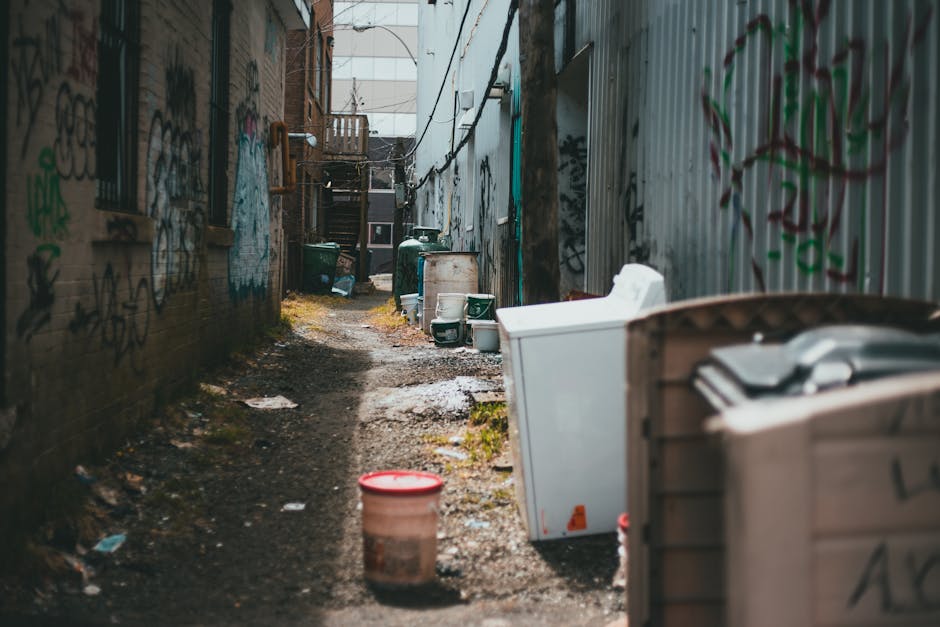
Whitechapel E1 rubbish removal guide for flats in East London
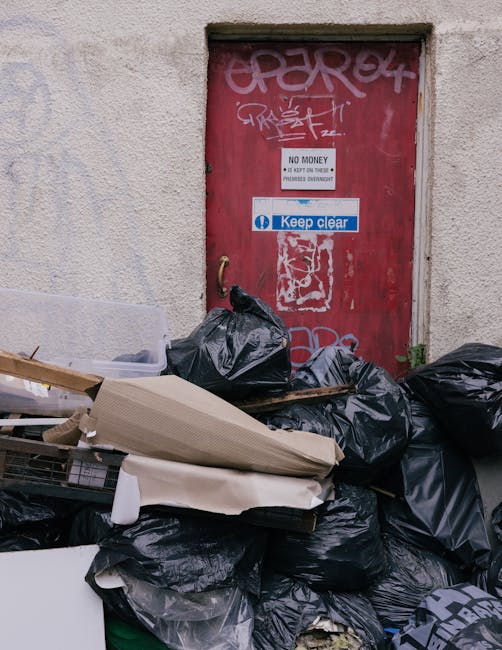
If you live in a flat in Whitechapel, rubbish can become awkward fast. A bulky sofa in a narrow hallway, a few bin bags that will not fit in the lift, builders' rubble from a quick refresh - suddenly the job is bigger than it looked at first. This Whitechapel E1 rubbish removal guide for flats in East London is here to make the process feel simpler, safer, and a lot less stressful. You will find out how flat clearance and rubbish removal usually works, what to prepare before anyone arrives, where people trip up, and how to choose the most sensible option for your building and your schedule.
Whitechapel has its own rhythm. Busy streets, tight entrances, shared stairwells, parking that may be a bit of a puzzle... you know the drill. So the best approach is rarely just "get rid of it somehow". It is about planning the collection properly, protecting communal areas, and making sure waste is handled in a lawful and tidy way. Let's get into it.
Why Whitechapel E1 rubbish removal guide for flats in East London Matters
Flat rubbish removal is not the same as clearing a house with a drive and a side gate. In Whitechapel, most people are working with shared entrances, compact internal spaces, limited on-street loading time, and neighbours who would quite like their hallway back by tea time. That changes everything.
First, there is access. A collection team may need to carry items down several floors, through communal corridors, and out to a street that already has pedestrians, cyclists, vans, and the occasional taxi doing an impatient manoeuvre. If you have ever tried to move a double wardrobe through a stairwell with one awkward turn halfway down, you will know what I mean. It can be funny in hindsight. During the job, not so much.
Second, there is responsibility. In a flat building, rubbish does not just affect your own space. Overflowing bin areas can attract pests, create smells, and cause friction with neighbours or managing agents. That is why a well-planned rubbish removal service can be more than a convenience - it can keep the building running smoothly.
Third, there is sorting. Flats generate a mix of waste types: general junk, furniture, old appliances, bags of clothing, cardboard, renovation offcuts, and sometimes items that need special handling. If you are already planning a bigger tidy-up, it can help to look at broader options such as flat clearance or, for larger household clear-outs, home clearance and house clearance.
Expert summary: In Whitechapel flats, the best rubbish removal jobs are usually the ones that are planned around access, building rules, and waste type before a single bag is moved. That sounds simple, but it saves time, avoids damage, and keeps everyone calmer.
How Whitechapel E1 rubbish removal guide for flats in East London Works
Most flat rubbish removal jobs follow a similar pattern, although the exact setup depends on the property and the amount of waste.
It usually begins with a quick assessment. That might be a photo message, a phone call, or a description of what needs removing. The important thing is accuracy. Saying "just a few bits" when there is actually a three-seater sofa, a mattress, two broken bookcases, and half a bathroom shelf situation does nobody any favours.
Next comes access planning. For Whitechapel flats, this often means confirming floor level, lift access, whether the item will fit, whether parking or loading is possible nearby, and whether building rules require a specific time slot. Some buildings are easy; others, not so much. A service that understands local flat layouts will usually move faster simply because they are expecting the pinch points.
Then the waste is removed and sorted. Good practice is to separate reusable items, recyclable materials, and general waste where possible. If furniture is involved, you may need a service such as furniture disposal or sofa removal. If the job involves renovation debris, builders waste is the more fitting route.
For everyday rubbish, many people simply need a straightforward rubbish removal or rubbish collection visit. If the job is broader or includes mixed waste, then waste removal, waste collection, or waste disposal may be a better match.
The final stage is disposal and paperwork. A trustworthy operator should be able to explain how the waste will be handled, not just where it will vanish to. That matters more than people realise.
Key Benefits and Practical Advantages
There are a few reasons why organised rubbish removal is worth doing properly rather than improvising it.
- Less disruption in the building. One timed collection is usually easier on neighbours than multiple trips with bags and furniture pieces.
- Safer moving conditions. Stairwells, lifts, and communal corridors stay clearer, which reduces the risk of knocks, trips, and damaged walls.
- Better use of your time. A lot of people in Whitechapel do not have the luxury of spending a whole weekend hauling rubbish down flights of stairs.
- Cleaner end result. A proper removal leaves the space ready for decorating, letting, sale, or just normal life again.
- More suitable for mixed items. If your pile includes furniture, general clutter, and a few awkward bits, a professional service can handle the lot in one go.
- Reduced stress. Truth be told, sometimes the biggest win is simply having the job off your mind.
If you are comparing services, it may help to think in terms of what kind of outcome you want. A quick one-room clearance is different from a full flat clear-out after a move, and different again from a busy landlord turnover. For end-to-end property clearances, waste clearance can be a useful umbrella service, while rubbish clearance can suit more general household jobs.
Who This Is For and When It Makes Sense
This guide is useful if you are a tenant, leaseholder, landlord, property manager, or homeowner in a Whitechapel flat. It is especially relevant if:
- you are moving out and need to clear belongings quickly
- you have bulky furniture that will not fit in the lift
- you are replacing old items after decorating or refurbishing
- you are dealing with years of accumulated clutter
- you need to clear a rental flat between occupiers
- you are trying to avoid dragging rubbish through communal areas yourself
It also makes sense when time is tight. A lot of people assume they can do it in stages, but flat rubbish removal often works better in one focused session. That way, you are not leaving half-finished piles near the bins for days. Nobody wants that. Not your neighbours, and not you once the rain starts.
For some households, a broader service is more sensible. If the job extends beyond a single room, flat clearance is often the better fit. If you are clearing a garage, office, or other storage-heavy space as well, there are dedicated options like garage clearance and office clearance.
Step-by-Step Guidance
Here is the practical version. Not glossy, just useful.
- Walk through the flat and list everything. Include bags, furniture, loose items, broken appliances, and anything stored in cupboards or on balconies.
- Separate what should stay. Be ruthless but sensible. It is easy to accidentally bin chargers, documents, or spare keys in a rush.
- Identify item types. Sofas, mattresses, white goods, wood, cardboard, bags of clothing, and builders' materials may each need different handling.
- Check building rules. Some blocks limit moving times, parking, lift use, or noisy activity. It is worth checking rather than guessing.
- Measure anything bulky. Hallway widths, stair turns, and lift dimensions matter more than people expect.
- Prepare the waste near the exit if possible. But do not block fire exits or shared walkways. Keep access tidy.
- Book the right service. If the job is mainly furniture, choose furniture removal or sofa collection. If it is a general junk pile, rubbish collection may be enough.
- Confirm what happens after collection. Ask how the waste will be sorted, loaded, and taken away.
- Be present if needed. Even a quick five-minute check-in can prevent mix-ups over what stays and what goes.
- Do a final sweep. Look inside cupboards, under beds, and behind doors. The last little bits are the ones that sneak up on you.
A small but important point: do not leave bags in communal areas "just for a minute" unless the building allows it and you are ready to move them straight away. In flat buildings, minutes have a habit of becoming days.
Expert Tips for Better Results
After enough clearances, a few patterns become obvious.
1. Photograph the job before booking. It helps with accuracy, especially if the flat has awkward access or the waste pile is spread across rooms. Photos also reduce misunderstandings about volume.
2. Bundle similar items together. Put all cardboard in one place, furniture in another, and small loose bits in bags. It speeds up loading and makes the job feel less chaotic.
3. Keep one clear route out. Move shoes, mats, bikes, and clutter from the hallway before collection day. A clear route cuts the time down and lowers the chance of scuffs.
4. Think about noise. Late evenings and early mornings are not ideal for dragging furniture down stairs in a block with thin walls. A sensible midday slot is often more neighbour-friendly.
5. Ask about special items early. Mattresses, fridges, and fitted items may need separate handling. Better to say it upfront than spring it on the team at the door.
6. If you are also clearing outdoor space, mention it. Balcony clutter, small planters, or leftover garden material can sometimes be added to the same visit if planned properly. For more outside-focused jobs, garden clearance may be useful.
7. Keep an eye on common access bottlenecks. In Whitechapel flats, the problem is often not the waste itself, but the lift queue, the narrow landing, or the awkward parking bay. That is where good planning pays off.
And one more, from real life: if you are sorting a flat before a move, start with the rubbish you know you will not need. It creates momentum. Suddenly the whole place looks more manageable, which is a surprisingly big morale boost at 7:30 on a Sunday morning.
Common Mistakes to Avoid
Most clearance problems come from a few avoidable habits.
- Underestimating volume. A few black bags can quickly turn into a van-full once cupboards are opened.
- Ignoring access issues. A service can only move as smoothly as the building allows.
- Leaving items mixed together. If everything is piled in one corner, sorting takes longer and mistakes become more likely.
- Forgetting about heavy or awkward objects. Wardrobes, beds, and appliances need planning. They are not just "big bits".
- Assuming all waste is the same. Construction debris, general rubbish, and reusable furniture are often handled differently.
- Blocking shared spaces. It is tempting to stage items by the door, but communal areas must stay usable.
- Not asking about disposal. A low-effort quote without clarity on handling is not always the bargain it seems.
One more thing people often miss: if the flat belongs to a managed block, the building may have its own expectations around lift protection, loading times, or booking access. It seems minor until someone turns up and the concierge says no. Then the whole plan wobbles a bit.
Tools, Resources and Recommendations
You do not need fancy equipment, but a few simple tools make a flat clearance much easier.
- Sturdy bin bags or rubble sacks for loose waste and small clutter
- Labels or tape to mark keep, donate, recycle, or remove
- Measuring tape for stair turns, doorways, and lift openings
- Protective gloves if you are moving sharp or dusty items
- Furniture sliders or blankets for awkward items on hard flooring
- A phone camera for photos, inventory, and access checks
In terms of service choice, think about the waste stream first. If you are clearing mixed household rubbish, waste collection is a practical starting point. If you need a more complete, end-to-end job, waste removal is often the broader option. For sofas specifically, sofa removal avoids trying to shoehorn a bulky item into a general clearance quote.
If you are comparing providers, check whether they are clear about the type of jobs they handle, their approach to sorting, and how they deal with access in flats. That matters more than fancy wording on a homepage. Honestly, a plain explanation is usually the best sign.
Law, Compliance, Standards, or Best Practice
Waste handling in the UK comes with responsibilities, even for small domestic jobs. The safest approach is to use a service that can explain where the waste goes, how it is handled, and what happens to different material types. You do not need to turn it into a legal seminar, but you do need confidence that it is being dealt with properly.
For flat residents, a few practical best practices stand out:
- Do not leave waste in communal corridors. Fire routes and shared access spaces should stay clear.
- Separate hazardous or specialist items. Paint, chemicals, batteries, and similar items should not be mixed into general waste.
- Keep building rules in mind. Many blocks have moving hours, lift booking systems, or loading restrictions.
- Use a service that can explain disposal methods plainly. If the answer sounds vague, ask again.
- Protect common areas. Floors, walls, and lifts can all be damaged by hurried carrying.
For commercial premises, the same principle applies, just with a more formal setup. If your flat clearance overlaps with a business move, business waste or office clearance may become relevant. The key is matching the service to the actual waste stream, not just the address.
Best practice also means using clear communication. If there is no lift, say so. If parking is tight, say so. If the mattress is damp or the sofa has seen better days, say so. It is all useful. A five-second detail can save twenty minutes on the day.
Options, Methods, or Comparison Table
There is no single "right" way to clear flat rubbish in Whitechapel. It depends on the volume, access, and type of waste. Here is a simple comparison to help you choose.
| Option | Best for | Pros | Watch-outs |
|---|---|---|---|
| Self-carry to communal bins | A few small bagged items | Cheap, immediate | Can be awkward, messy, and may breach building rules if overused |
| Man and van style rubbish collection | Mixed household waste, bags, small items | Flexible, quick, good for flats | Needs accurate volume estimate and access planning |
| Furniture-specific removal | Sofas, beds, wardrobes, chairs | Handles bulky items properly | May not suit mixed waste if you have lots of smaller rubbish too |
| Flat clearance | Whole rooms, move-outs, cluttered flats | Most complete solution | Usually more involved, so clear instructions matter |
| Builders waste collection | DIY and renovation debris | Suitable for rubble and offcuts | Not ideal for mixed household junk unless confirmed in advance |
If you want the broadest approach, it may help to compare waste clearance with a more item-specific option. For example, if the job is mostly a worn-out lounge set, sofa removal is more precise. If it is an entire flat before new tenants arrive, flat clearance makes more sense.
Case Study or Real-World Example
Picture a second-floor flat off a busy Whitechapel street. The resident is moving out on Friday afternoon. There is an old mattress, a small sofa, broken shelving, a handful of bags, and a stack of flat-pack packaging that has somehow multiplied in the corner. Not a huge hoard. Just enough to be annoying.
At first, the plan was to move everything in stages. But the hallway is narrow, the lift is tiny, and the building has shared access. So they take the smarter route: photos are sent in advance, item types are listed clearly, and the collection is booked for a quieter part of the day. The sofa is measured properly, which turns out to be a good call because it barely clears one stair bend. Barely.
On the day, the route is cleared, the bags are grouped together, and the team works through the flat methodically. First the bulky pieces, then the smaller bits. The resident checks off the last cupboard and finds a forgotten box of cables, which is pretty normal. A bit of dust, one lost sock, the kind of thing that hides behind furniture and comes out only when you are moving.
The result is simple but useful: the flat is empty, the communal area stays tidy, and the move can happen without last-minute panic. That is the real value of planning flat rubbish removal properly. It does not just remove waste. It removes friction.
Practical Checklist
Use this quick checklist before your collection day.
- List every item you want removed
- Separate keep, donate, recycle, and remove piles
- Measure large furniture and check door widths
- Confirm lift access or stair-only access
- Check building rules and loading restrictions
- Clear the route from the flat to the exit
- Group small items into sturdy bags or boxes
- Tell the provider about sofas, mattresses, appliances, or builders' waste
- Move valuables, documents, and keys out of the way
- Do a final sweep of cupboards, under beds, and balcony spaces
That last sweep matters more than you think. You will almost always find one extra thing. Usually when you are already feeling done.
Conclusion
Rubbish removal in Whitechapel flats is easier when it is treated as a small logistics job rather than a rushed clean-up. If you plan the access, identify the waste properly, and choose the right service for the items you have, the whole process becomes far more manageable. That is the heart of a good Whitechapel E1 rubbish removal guide for flats in East London: less chaos, fewer surprises, and a cleaner finish for everyone involved.
Whether you need a one-off collection, a sofa taken away, a full flat cleared, or mixed waste handled with care, the smartest next step is always the same: be clear about what you need and use a service that understands flat access in East London. Small details make a big difference here, honestly.
Get a free quote today and see how much you can save.
And if you are staring at a room that feels too full right now, take heart. One clear plan is usually enough to turn the mess into something manageable.
Frequently Asked Questions
What is the best rubbish removal option for a Whitechapel flat?
It depends on the waste. For a few bags, a general collection may be enough. For furniture, use a furniture-specific service. For a full property clean-out, flat clearance is usually the better choice.
Can rubbish be collected from a flat with no lift?
Yes, usually, but access needs to be planned carefully. Stair-only jobs take longer and may need more manpower, especially for bulky items like sofas or wardrobes.
How do I prepare my flat before rubbish removal?
Separate keep and remove items, clear access routes, group similar waste together, and make sure the provider knows about heavy or awkward pieces in advance.
What types of items can usually be removed from flats?
Most household rubbish, furniture, cardboard, small appliances, and general clutter can usually be removed. Specialist items may need separate handling, so it is best to mention them early.
Is flat clearance different from rubbish removal?
Yes. Rubbish removal is often for specific waste or smaller loads, while flat clearance is broader and suited to whole-room or whole-flat clear-outs.
Do I need to sort everything before the collection?
You do not need to overdo it, but basic sorting helps a lot. Separate furniture, bagged waste, and anything that should definitely stay in the flat.
Can a service remove a sofa from an upper-floor Whitechapel flat?
Usually yes, provided access is possible. It helps to measure the sofa and the route out before booking, because narrow staircases can be the real issue.
What should I ask before booking rubbish removal?
Ask what waste types they take, how they handle flats, whether they need photos, and how they deal with parking, stairs, or lift access. Clear answers are a good sign.
What if I also have builders' waste from a small renovation?
Say so when you book. Builders' rubble, tiles, timber offcuts, and similar materials are different from general household rubbish and may need a separate service.
Is it okay to leave items in the communal hallway before collection?
Only if building rules allow it and only briefly. In most cases, it is better to keep communal areas clear until the collection team arrives.
How do I know if I need waste collection or waste disposal?
In everyday use, both phrases are often used loosely. If you want items taken away from the flat, either may fit. The main thing is matching the service to the waste type and volume.
What is the most common mistake people make with flat rubbish removal?
Underestimating access. The waste itself is often manageable, but stairs, lift size, corridor turns, and parking can slow everything down if they are not checked first.
Can I combine furniture disposal with a wider flat clearance?
Yes, and that is often the sensible option. If you have sofas, chairs, and lots of mixed clutter, combining them into one visit is usually easier than splitting the job.
Where can I find more help for Whitechapel and nearby East London areas?
If you are planning a wider clear-out across the local area, it can help to look at nearby pages for Whitechapel, Stepney, Spitalfields, and the broader East London service area.